
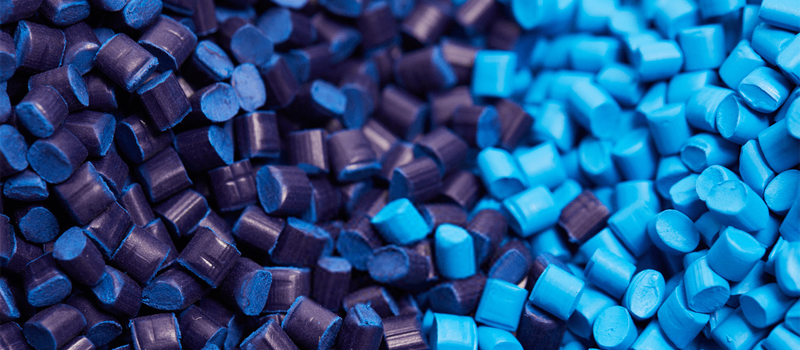
General Applications of Commonly Used Thermoplastic in Injection Molding
Injection molding is one of the most versatile and widely used manufacturing processes, producing everything from tiny components to large industrial parts. Selecting the right plastic material is crucial to achieving optimal performance, cost-efficiency, and durability. Below is a breakdown of commonly used plastics in injection molding, their key properties, and typical applications.
1. General-Purpose Plastics
These plastics are cost-effective and easy to process, making them ideal for high-volume production of everyday items.
Polypropylene (PP)
Properties: Lightweight, chemical-resistant, fatigue-resistant, and excellent flexibility.
Injection Molding Applications:
Food containers (yogurt cups, bottle caps).
Automotive parts (bumpers, interior trim).
Household goods (storage bins, toys).
Polyethylene (PE)
Properties: Moisture-resistant, impact-resistant, and available in high-density (HDPE) and low-density (LDPE) forms.
Injection Molding Applications:
Packaging (bottle caps, crates).
Consumer products (kitware utensils, toys).
Industrial containers (chemical tanks, pallets).
Polystyrene (PS)
Properties: Rigid, transparent (in crystal form), and lightweight.
Injection Molding Applications:
Disposable cutlery, CD cases.
Cosmetic packaging, model kits.
2. Engineering Plastics
These materials offer superior mechanical, thermal, and chemical resistance for demanding applications.
Acrylonitrile Butadiene Styrene (ABS)
Properties: High impact strength, heat resistance, and surface finish.
Injection Molding Applications:
Automotive components (dashboards, wheel covers).
Consumer electronics (keyboards, phone cases).
LEGO bricks and toys.
Polycarbonate (PC)
Properties: Transparent, extremely impact-resistant, and heat-tolerant.
Injection Molding Applications:
Safety gear (helmets, goggles).
Automotive lighting (headlight lenses).
Medical devices (syringe barrels, housings).
Polyamide (Nylon)
Properties: High strength, wear resistance, and temperature stability.
Injection Molding Applications:
Gears, bearings, and bushings.
Electrical connectors, zip ties.
Automotive under-the-hood components.
Polyoxymethylene (POM / Acetal)
Properties: Low friction, high stiffness, and excellent dimensional stability.
Injection Molding Applications:
Precision gears, pump components.
Fasteners, zippers, and locks.
3. Medical-Grade Plastics
These materials meet strict biocompatibility and sterilization standards for healthcare applications.
Polypropylene (PP) and Polyethylene (PE)
Properties: Chemical inertness, autoclavable.
Injection Molding Applications:
Syringe bodies, IV components.
Medical packaging trays.
Polycarbonate (PC)
Properties: Clarity, impact resistance.
Injection Molding Applications:
Surgical instrument housings.
Transparent medical device components.
Polyetheretherketone (PEEK)
Properties: Biocompatible, high-temperature resistance.
Injection Molding Applications:
Implantable devices, surgical tools.
4. Specialty Plastics
Thermoplastic Polyurethane (TPU)
Properties: Elastic, abrasion-resistant, and oil-resistant.
Injection Molding Applications:
Seals, gaskets, phone cases.
Medical tubing, shoe soles.
Polyethylene Terephthalate (PET)
Properties: High clarity, recyclable, and strong barrier properties.
Injection Molding Applications:
Beverage bottles, cosmetic jars.
TONGDA LINK – Precision in Every Polymer, Excellence in Every Part.
MORE APPLICATIONS
ABS
ABS resin (Acrylonitrile Butadiene Styrene) is renowned for its exceptional toughness, impact resistance, and versatility, making it a cornerstone material across diverse industries. Below is a streamlined breakdown of its largest application areas:
1. Automotive Industry
ABS is a critical material for both interior and exterior automotive components due to its durability, lightweight nature, and ease of processing. Key applications include:
Interior Parts: Dashboards, trim panels, steering wheels, glove compartments, and sound insulation panels.
Exterior Components: Bumpers, ventilation ducts, door locks, and body panels (in some models).
Functional Parts: Seat belt components, mirror housings, and under-the-hood elements.
2. Electronics & Appliances
ABS’s electrical insulation properties, heat resistance, and aesthetic finish make it ideal for consumer and industrial electronics:
Home Appliances: Refrigerators, washing machines, air conditioners, vacuum cleaners, and microwave components.
Consumer Electronics: Television housings, computer monitors, printers, copiers, keyboards, and power tool casings.
Small Household Devices: Hairdryers, blenders, and kitchen appliance housings.
3. Building Materials
ABS resin is widely used in construction for its strength, corrosion resistance, and cost-effectiveness:
Pipes & Fittings: Drainage systems, plumbing fixtures, and ventilation ducts.
Sanitary Ware: Showerheads, sink components, and bathroom accessories.
Decorative Panels: Wall cladding, ceiling tiles, and lightweight structural elements.
4. Consumer Goods & Daily Use Products
ABS’s adaptability and vibrant finishability drive its use in everyday items:
Safety Gear: Helmets (bicycle, motorcycle, and industrial safety helmets).
Luggage & Bags: Suitcases, backpacks, and protective cases.
Office & Leisure Products: Toys, stationery, furniture components, and sports equipment (e.g., golf club heads, protective gear).
5. Industrial & Machinery Applications
ABS is valued in industrial settings for its mechanical stability and wear resistance:
Machinery Components: Housings for pumps, gears, and conveyor systems.
Instrumentation: Casing for meters, control panels, and laboratory equipment.
Packaging: Sturdy containers, pallets, and protective packaging solutions.
Impact Resistance: Withstands physical stress, ideal for automotive and protective gear.
Surface Finish: Easily painted, plated, or textured for aesthetic appeal.
Chemical Stability: Resists oils, acids, and alkalis, suitable for industrial environments.
Lightweight: Reduces product weight without compromising strength.
At TONGDA LINK, we empower clients to leverage ABS resin’s full potential through:
Material Selection Guidance: Tailoring ABS grades (e.g., high-heat, flame-retardant) to customers` product requirements.
Design & Processing Support: Optimizing mold designs for complex geometries and surface finishes.
Regulatory Compliance: Ensuring adherence to industry standards (e.g., automotive, electronics, FDA for food-contact applications).
Sustainability Initiatives: Offering recycled ABS (rABS) to align with circular economy goals.
From automotive innovations to household essentials, ABS resin’s unmatched versatility continues to drive advancements across industries. Partner with TONGDA LINK to harness the right ABS formulations and manufacturing expertise for molding project.
AS(SAN)
AS plastic, known for its transparency, rigidity, chemical resistance, and excellent surface finish, is widely used in precision applications across industries. Below is a streamlined and categorized overview of its key applications:
1. Consumer Electronics & Appliances
Control Components:
TV/audio knobs, switches, and control panels for tape recorders, air conditioners, and entertainment systems.
Housings & Covers:
Transparent instrument covers, camera housings, and protective lens covers for displays or sensors.
Durable casings for small appliances and handheld devices.
2. Automotive Components
Interior & Exterior Parts:
Tail light covers, instrument panels, dashboard displays, and fan blades (due to dimensional stability).
Transparent or glossy trim components (e.g., gauge lenses, indicator light covers).
Functional Parts:
Oil-resistant mechanical components (e.g., gears, bushings) in under-the-hood systems.
3. Industrial & Instrumentation
Precision Components:
Instrument cases, meter lenses (leveraging AS’s optical clarity), and protective covers for lab equipment.
Housings for industrial sensors, control panels, and machinery displays.
Oil-Resistant Parts:
Gaskets, seals, and components in hydraulic or lubricant-exposed environments.
4. Packaging & Lighting
Containers:
Transparent packaging containers for cosmetics, food (if FDA-compliant), or medical products.
Lightweight, shatter-resistant bottles and caps.
Lighting Systems:
Lamp covers, diffusers, and LED light housings (benefiting from AS’s UV resistance and clarity).
5. Household & Commercial Products
Aesthetic Fixtures:
Decorative panels, furniture trims, and glossy household appliance parts.
Durable Functional Items:
Ventilation fan blades, dishwasher components, and wash-resistant fixtures.
Optical Clarity: Ideal for lenses, displays, and transparent covers.
Chemical Resistance: Withstands oils, greases, and mild acids.
Rigidity & Gloss: Maintains shape under stress and offers a premium surface finish.
Ease of Processing: Suitable for high-precision injection molding.
We support customers` projects with:
Material Expertise: Recommending AS grades (e.g., UV-stabilized, food-safe) tailored to molding needs.
Design for Manufacturability: Ensuring moldability for complex geometries like fan blades or intricate knobs.
Compliance Assurance: Meeting industry standards (automotive, FDA, RoHS) for safety-critical parts.
Sustainability: Offering recycled AS or hybrid solutions to reduce environmental impact.
From automotive lighting to precision instrumentation, AS plastic delivers a unique combination of clarity, strength, and chemical resistance. Collaborate with TONGDA LINK to leverage this versatile material for high-performance, visually appealing products.
Polypropylene (PP)
Polypropylene (PP) is a versatile, cost-effective thermoplastic prized for its chemical resistance, durability, and lightweight properties. It is widely adopted across industries for critical components, including:
- Industrial Fluid Systems: Corrosion-resistant pipes and tubing for chemical transport, HVAC, and water management.
- Agricultural Infrastructure: Lightweight, UV-stable irrigation pipes and drainage solutions.
- Mechanical & Electrical Components: High-strength motor fans, appliance housings, and insulating shells for heat-sensitive equipment.
- Construction Applications: Reusable formwork panels for concrete casting in bridges, roads, and buildings.
- Consumer Goods: Impact-resistant washing machine liners and dishwasher components.
Polypropylene (PP) is a cornerstone material in modern manufacturing due to its unique combination of properties:
- Lightweight & Durable: High strength-to-weight ratio ideal for reducing component mass without sacrificing structural integrity.
- Chemical & Moisture Resistance: Withstands exposure to acids, alkalis, and moisture, making it perfect for pipes, tanks, and fluid systems.
- Thermal Stability: Retains functionality in temperatures ranging from -20°C to 120°C, suitable for automotive and appliance applications.
- Cost-Effective Production: Low material cost and ease of processing (e.g., injection molding, extrusion) reduce overall manufacturing expenses.
- Food-Safe & Recyclable: Compliant with FDA standards for food-contact applications and supports sustainability initiatives.
- Design Flexibility: Can be modified with additives (e.g., glass fibers, flame retardants) to enhance stiffness, UV resistance, or aesthetics.
As a full-service manufacturing partner, TONGDA LINK leverages PP’s advantages to deliver end-to-end solutions tailored to your industry:
1. Technical Expertise in PP Product Development
- Material Optimization: Guidance on PP grades (homopolymer, copolymer) and additives to meet performance requirements (e.g., impact resistance for automotive parts).
- Precision Mold Engineering: High-tolerance molds designed to maximize PP’s flow properties, ensuring consistent wall thickness and minimal warpage.
- Design for Manufacturability (DFM): Streamlining part geometry for injection molding efficiency, reducing cycle times and material waste.
2. Advanced PP Processing Capabilities
- Injection Molding Production: High-volume manufacturing of PP components like automotive panels, appliance housings, and pipe fittings.
- Secondary Processes:
- Surface Finishing: Painting, texture coating, or electroplating to enhance aesthetics and functionality.
- Assembly & Welding: Ultrasonic welding, snap-fit joints, and mechanical fastening for multi-part PP assemblies.
- Custom Packaging: Tailored solutions to protect PP products during shipping.
3. Industry-Specific Solutions
- Automotive: Lightweight dashboards, bumpers, and HVAC components that meet OEM durability standards.
- Appliances: Dishwasher liners, washing machine drums, and microwave housings with moisture and heat resistance.
- Infrastructure: Corrosion-resistant PP pipes for water management and reusable formwork for construction.
- Consumer Goods: Ergonomically designed containers, furniture, and reusable packaging.
4. Accelerated Time-to-Market
- Rapid Prototyping: Functional PP prototypes via silicone or vacuum casting to validate designs early.
- Scalable Production: Seamless transition from low-volume batches to mass production with minimal downtime.
- Supply Chain Integration: End-to-end support from material sourcing to final assembly, reducing logistical bottlenecks.
Polystyrene (PS)
Polystyrene (PS) is a versatile thermoplastic valued for its rigidity, electrical insulation, ease of molding, and customizable properties (e.g., heat resistance, flame retardancy). Below are its critical applications across industries:
1. Electronic Appliances & Consumer Electronics
PS is ideal for components requiring precision, electrical safety, and lightweight design:
Connectors & Switches: Flame-retardant grades for circuit breakers, relays, and power sockets.
Housings & Covers: Thin-walled, high-gloss covers for small appliances (e.g., hairdryers, routers).
Functional Parts: Accessory mounts, buttons, and insulating frames for household devices.
2. Automotive Components
PS’s balance of cost-effectiveness and performance supports both interior and functional automotive parts:
Exterior Applications:
Grilles, vent surrounds, and engine bay heat shields (modified for UV/heat resistance).
Interior Components:
Wiper blade brackets, control system valve housings, and camera mounts.
Electrical Systems:
Ignition coil bobbins, sensor housings, and electrical connectors.
3. Mechanical Equipment & Industrial Systems
PS excels in lightweight, high-wear components for machinery and instrumentation:
Structural Parts:
Gears, cams, and belt drive shafts (glass-filled PS for enhanced strength).
Protective Covers:
Transparent or opaque housings for cameras, timers, and industrial sensors.
Consumer & Commercial Devices:
Microwave turntables, printer components, and baking machine parts.
- UL94-rated flame retardancy, dielectric strength, and smooth molding for intricate geometries.
- Dimensional stability, vibration resistance, and compliance with automotive safety standards.
- Low moisture absorption, FDA compliance (for food-safe applications), and chemical resistance.
As a full-service manufacturing partner, TONGDA LINK leverages PP’s advantages to deliver end-to-end solutions tailored to your industry:
1. Technical Expertise in PP Product Development
- Material Optimization: Guidance on PP grades (homopolymer, copolymer) and additives to meet performance requirements (e.g., impact resistance for automotive parts).
- Precision Mold Engineering: High-tolerance molds designed to maximize PP’s flow properties, ensuring consistent wall thickness and minimal warpage.
- Design for Manufacturability (DFM): Streamlining part geometry for injection molding efficiency, reducing cycle times and material waste.
2. Advanced PP Processing Capabilities
- Injection Molding Production: High-volume manufacturing of PP components like automotive panels, appliance housings, and pipe fittings.
- Secondary Processes:
- Surface Finishing: Painting, texture coating, or electroplating to enhance aesthetics and functionality.
- Assembly & Welding: Ultrasonic welding, snap-fit joints, and mechanical fastening for multi-part PP assemblies.
- Custom Packaging: Tailored solutions to protect PP products during shipping.
3. Industry-Specific Solutions
- Automotive: Lightweight dashboards, bumpers, and HVAC components that meet OEM durability standards.
- Appliances: Dishwasher liners, washing machine drums, and microwave housings with moisture and heat resistance.
- Infrastructure: Corrosion-resistant PP pipes for water management and reusable formwork for construction.
- Consumer Goods: Ergonomically designed containers, furniture, and reusable packaging.
4. Accelerated Time-to-Market
- Rapid Prototyping: Functional PP prototypes via silicone or vacuum casting to validate designs early.
- Scalable Production: Seamless transition from low-volume batches to mass production with minimal downtime.
- Supply Chain Integration: End-to-end support from material sourcing to final assembly, reducing logistical bottlenecks.
Polycarbonate (PC)
Polycarbonate (PC) is an engineering thermoplastic renowned for its impact resistance, optical clarity, thermal stability (up to 135°C), and electrical insulation properties. Below are its critical applications, demonstrating its versatility in demanding environments:
1. Optical Lighting & Transparent Solutions
Transparent Structural Components:
Large lamp covers, protective glazing, and optical instrument housings (e.g., eyepiece tubes, microscope components).
Aircraft windows, bullet-resistant barriers, and safety visors.
2. Electronics & Electrical Systems
PC’s dielectric strength and flame retardancy make it ideal for:
Electrical Insulation:
Connectors, coil bobbins, circuit breaker housings, and miner’s lamp battery casings (UL94-rated for flame resistance).
Capacitor films, insulating tapes, and relay components.
High-Precision Components:
Optical discs, smartphone casings, and computer/telecom equipment parts (e.g., server housings, fiber-optic connectors).
3. Mechanical & Industrial Equipment
PC excels in high-stress, wear-resistant applications:
High-Performance Components:
Gears, bearings, cams, and crankshafts for machinery and automation systems.
Pump housings, valve covers, and conveyor belt guides.
Protective & Structural Parts:
Machine guards, sensor housings, and robotic arm components.
4. Medical & Life Sciences
PC’s biocompatibility and sterilizability support critical healthcare applications:
Disposable & Reusable Devices:
Surgical instrument trays, IV connectors, and drug delivery systems.
Dental tools, nebulizer chambers, and autoclave-safe containers.
Biocompatible Solutions:
Dialysis membranes (artificial kidneys), oxygenator components (artificial lungs), and prosthetics.
5. Construction, Consumer Goods & Specialty Applications
Architectural Innovations:
Multi-wall panels, skylight domes, and noise-reducing greenhouse glazing.
Textile & Packaging:
High-strength yarn bobbins, loom bearings, and reusable industrial containers.
Consumer Products:
Shatter-resistant bottles, premium eyewear lenses, and impact-resistant toys.
- High light transmission (up to 90%), UV resistance, and compliance with aviation safety standards.
- E120 insulation grade, dimensional stability, and EMI/RFI shielding compatibility.
- Fatigue resistance, low friction coefficients, and tolerance to repetitive stress.
- ISO 10993 certification, transparency for fluid monitoring, and autoclavable durability.
- Lightweight design, recyclability, and compliance with FDA/EU food-contact regulations.
- Safety & Durability: Ideal for applications requiring impact resistance (e.g., 250x stronger than glass).
- Design Freedom: Easily molded into thin-walled or intricate shapes without sacrificing strength.
- Sustainability: Recyclable and compatible with lightweighting initiatives to reduce carbon footprints.
Polyetherimide (PEI)
Polyetherimide (PEI), a high-performance thermoplastic, excels in extreme environments due to its exceptional thermal stability (continuous use up to 210°C), inherent flame retardancy (UL94 V-0 rated), chemical resistance, and mechanical strength. Below are its critical applications across industries:
1. Electronics & Electrical Systems
PEI is a cornerstone material for high-reliability electronic components:
Connectors & Relay Housings: Retains dimensional stability under thermal cycling and high-voltage stress.
Circuit Board Insulators: Resists solder reflow temperatures (260°C+) without warping.
Sensor Housings & Coil Bobbins: Protects sensitive electronics in automotive and industrial systems.
Reflectors & LED Components: Maintains optical clarity and reflectivity in high-temperature lighting systems.
2. Automotive & Aerospace
PEI meets stringent performance requirements for extreme conditions:
High-Temperature Shields: Engine bay heat shrouds and exhaust sensor housings.
Lighting Systems: LED headlight reflectors, fog lamp bezels, and indicator housings.
Under-the-Hood Sensors: Oxygen sensors, turbocharger components, and ECU housings.
3. Medical & Surgical Equipment
PEI’s biocompatibility and sterilizability make it ideal for healthcare:
Surgical Instrument Handles: Autoclavable (steam, gamma, EtO) and chemical-resistant.
Medical Trays & Fixtures: Reusable sterilization trays for surgical tools.
Dental Devices: Drill handpieces, orthodontic brackets, and imaging equipment housings.
Medical Lighting: Lamp reflectors with heat resistance for operating rooms.
4. Industrial & Specialty Applications
Product Packaging: High-temperature-resistant clamshells for sterilized medical devices.
Semiconductor Components: Wafer carriers and chip-handling tools resistant to plasma etching.
Food Processing: Conveyor parts and nozzles meeting NSF/EC1935 standards.
- Extreme Environment Performance: Withstands steam, fuels, and aggressive chemicals.
- Lightweighting: Replaces metals in aerospace and automotive to reduce weight.
- Regulatory Readiness: Meets FAA, RoHS, and REACH standards.
As a trusted partner for high-performance polymers, TONGDA LINK delivers:
- Material Expertise:
- Guidance on PEI grades (reinforced, lubricated, or glass-filled) for thermal, mechanical, or ESD needs.
- Advanced Processing:
- High-temperature injection molding (mold temps up to 200°C) to prevent internal stresses.
- Overmolding PEI with silicones or TPEs for hybrid components.
- Surface Enhancements:
- Chemical etching for adhesion in metal-plated parts.
- Anti-fog coatings for medical lenses and reflectors.
- End-to-End Compliance:
- Full traceability for automotive (IATF 16949) and medical (ISO 13485) industries.
Liquid Crystal Polymer (LCP)
LCP critical applications across industries:
1. Electronics & Electrical Connectors
LCP’s precision and reliability make it ideal for miniaturized, high-frequency components:
Connectors & Sockets:
High-speed SIMM sockets, QFP sockets, USB connectors, and fiber optic cable connectors.
Quick connectors for automotive and industrial systems.
Circuit Integration:
Molded Interconnect Devices (MID): LED modules, light sensors, injection-molded circuit components.
Printed circuit board (PCB) substrates and crystal oscillator bases.
Coil Systems:
Miniature bobbins for dot matrix printers, relays, and fan motors.
2. Automotive & Aerospace Systems
LCP withstands extreme temperatures and harsh environments:
Fuel & Fluid Management:
Automotive fuel line connectors, pump components, valve housings.
Thermal Components:
Microwave oven brackets, hot air cylinders, jet engine housings.
Sensors & Actuators:
Engine sensors, camera shutter plates, and headphone driver housings.
3. Optical & Telecommunications
LCP’s low signal loss and durability support advanced communication systems:
Fiber Optics:
Fiber optic cable connectors, cable stretching components, and connector sheaths.
High-Frequency Devices:
Antenna components, RF modules, and 5G infrastructure parts.
4. Consumer Appliances & Industrial Equipment
Household Devices:
Hair iron components, electric stove parts, and CD/DVD pickup lens housings.
Industrial Machinery:
High-strength pump parts, valve seats, and precision gears.
5. Specialty Applications
Packaging & Insulation:
Coil bobbin packaging, EMI shielding films.
Medical Devices:
Autoclavable surgical tool housings (future potential due to LCP’s biocompatibility).
LCP is a high-performance engineering thermoplastic prized for its exceptional dimensional stability, thermal resistance (up to 300°C), low moisture absorption, and outstanding electrical properties.
Miniaturization: Enables ultra-compact designs without sacrificing strength.
Signal Integrity: Low dielectric loss for high-frequency 5G and IoT applications.
Durability: Resists creep, chemicals, and thermal degradation in harsh environments.
Polyoxymethylene (POM)
Polyoxymethylene (POM) is widely used in manufacturing structural and load-bearing components across industries due to its high stiffness, dimensional stability, and low friction. Key applications include:
Automotive: Gears, bearings, fasteners, pump casings, and interior components.
Machinery: Precision parts for machine tools, conveyor belt accessories, and spring mechanisms.
Instrumentation: Internal components for precision instruments and electrical systems.
Consumer Goods: Faucets, water heater parts, plumbing fittings (e.g., pipes, drainers), and appliance housings.
POM serves as a high-performance alternative to non-ferrous metals (e.g., brass, aluminum) and traditional materials, offering advantages like lightweight design, corrosion resistance, and cost efficiency. Its versatility makes it ideal for applications requiring durability, reduced wear, and complex geometries.
Polyether Ether Ketone (PEEK)
Polyether Ether Ketone (PEEK) is a high-performance polymer prized for its exceptional heat resistance, mechanical strength, and chemical stability. It is widely utilized in demanding industries where durability and precision are critical. Key applications include:
- Automotive: High-stress components such as gears, oil pump screens, transmission parts, electric vehicle (EV) battery components, and transmission starter discs, replacing metals for lightweight, corrosion-resistant solutions.
- Aerospace: Engine parts, bushings, wire coatings, and structural components requiring flame resistance and tolerance to extreme temperatures.
- Medical: Sterilizable surgical instruments, implantable devices, spinal implants, dental instruments, endoscope components, and equipment housings that comply with biocompatibility standards.
- Industrial/Consumer: Wear-resistant parts like automatic washing machine runners, seals, and bearings for long-lasting performance.
- Energy: Downhole drilling tools, valve seals.
- Electronics: Insulating films, wafer carriers.
PEEK is also critical in oil and gas, semiconductor manufacturing, and electrical insulation due to its ability to withstand harsh environments. Its versatility makes it a preferred alternative to metals, ceramics, and conventional plastics in mission-critical applications.
- Extreme Temperature Resistance
- Withstands continuous use up to 250°C (482°F) and short-term exposure to 300°C (572°F), making it ideal for aerospace, automotive, and industrial applications where metals or conventional plastics fail.
- Superior Mechanical Strength
- Retains stiffness, tensile strength, and dimensional stability under high stress, vibration, or repeated loading (e.g., gears, bearings, engine components).
- Chemical & Corrosion Resistance
- Resists acids, solvents, fuels, and steam, perfect for oil/gas equipment, chemical processing, and harsh industrial environments.
- Lightweight & Metal Replacement
- Reduces weight by ~70% vs. metals while maintaining performance, critical for fuel efficiency in automotive and aerospace systems.
- Biocompatibility & Sterilization
- Safe for prolonged contact with bodily fluids and tolerates autoclaving, enabling use in surgical tools, implants, and reusable medical devices.
- Wear & Fatigue Resistance
- Performs in high-friction, repetitive-motion applications (e.g., seals, bushings, pump components) without lubrication.
- Flame & Smoke Resistance
- Meets stringent aerospace and electronics safety standards (e.g., UL94 V-0 rating) with low toxic emissions.
- Electrical Insulation
- Stable dielectric properties even at high temperatures, ideal for semiconductor parts, connectors, and high-voltage systems.
- When metals are too heavy, corrosive, or costly to machine.
- When standard plastics (e.g., nylon, POM) lack thermal/chemical stability.
- When ceramics are too brittle or difficult to shape.
While PEEK has a higher upfront cost than many plastics, its longevity, reduced maintenance, and performance in extreme conditions deliver lifecycle cost savings.
Polymethyl Methacrylate (PMMA)
PMMA (Polymethyl Methacrylate), commonly known as acrylic or plexiglass, including its key applications and advantages over alternatives like glass or polycarbonate:
Key Applications of PMMA
Transparent Structures
Signage & Displays: Light diffusers, LED signs, retail displays (superior light transmission and weather resistance).
Construction: Windows, skylights, noise barriers, and greenhouses (lightweight, shatterproof alternative to glass).
Automotive: Tail lights, instrument panels, sunroofs, and motorcycle windshields (impact resistance and optical clarity).
Medical & Healthcare
Medical Devices: Incubators, dental prosthetics, intraocular lenses, and bone cement (biocompatibility and sterilization tolerance).
Consumer Goods
Lighting: Light covers, diffusers, and chandeliers (high light transmittance up to 92%, better than glass).
Household Items: Aquariums, bathtubs, and decorative panels (scratch-resistant and easy to clean).
Industrial & Electronics
Optics: Camera lenses, microscope components, and optical fibers (excellent clarity and UV stability).
Electronics: Screen protectors, LCD screens, and touch panels (durability and anti-glare properties).
Art & Design
Sculptures, furniture, and architectural models (easy to shape, polish, and dye into vibrant colors).
- Superior Optical Clarity
- Transmits 92% of visible light (higher than glass) with minimal distortion, ideal for lenses and displays.
- Lightweight & Shatterproof
- Half the weight of glass and 10x more impact-resistant, reducing risk of injury in applications like automotive glazing.
- Weather & UV Resistance
- Retains clarity and strength outdoors without yellowing or degrading, even after years of sun exposure.
- Ease of Fabrication
- Can be cut, thermoformed, laser-etched, or glued with simple tools, enabling complex designs (unlike brittle glass).
- Chemical Resistance
- Resists water, cleaning agents, and mild acids, making it suitable for lab equipment and sanitary surfaces.
- Cost-Effective
- Cheaper than polycarbonate for non-impact-critical uses (e.g., signage, decorative panels).
- Safety
- Breaks into dull-edged pieces (unlike sharp glass shards), meeting safety standards for public spaces.
| Property | PMMA | Glass | Polycarbonate |
|---|---|---|---|
| Light Transmission | 92% (best) | ~90% | ~88% |
| Impact Resistance | Good | Poor | Excellent |
| Weight | Lightweight (1.18 g/cm³) | Heavy (2.5 g/cm³) | Lightweight (1.2 g/cm³) |
| UV Stability | Excellent (non-yellowing) | Good | Poor (requires coatings) |
| Cost | Moderate | Low to Moderate | High |
High transparency with UV resistance (e.g., outdoor signage, greenhouses).
Lightweight safety (e.g., automotive glazing, protective barriers).
Ease of customization (e.g., displays, art installations).
Cost savings over polycarbonate for non-extreme environments.
Avoid PMMA for applications requiring extreme impact resistance (use polycarbonate) or ultra-high temperatures (use glass).
Polyurethane Rubber (TPR)
Polyurethane Rubber (TPR) Applications
TPR combines flexibility, durability, and ease of molding, making it ideal for diverse industries. Below are its key uses categorized by sector:
1. Industrial & Tooling
- Tool Components: Power tool grips, pliers handles, knife handles, casters, non-slip pedals.
- Safety Equipment: Gas masks, protective gear.
- Machinery Parts: Conveyor belts, seals, high-pressure washers, elevator slides, silencer gears.
- Electrical: Wire connectors, plugs, cable sheaths.
2. Consumer Goods & Daily Use
- Household Items: Non-slip mats, rubber floor mops, glass wiper edges, soft tablecloths, curtains.
- Kitchenware: Cutlery grips, spoon handles, refrigerator seals.
- Personal Care: Toothbrush handles, shower elastics, sanitary products, high-transparency pacifiers.
- Luggage & Storage: Suitcase grips, gift boxes, containers.
3. Automotive
- Protective Covers: Constant Velocity Joint (CVJ) dust covers, steering gear covers, shock absorber components.
- Engine & Chassis: Engine intake air ducts, chassis stone-resistant coatings, muffler gears.
- Interior/Exterior: Door handle sealing rings, trunk lock assemblies, window glass shock absorbers.
4. Medical & Healthcare
- Medical Devices: Syringe stoppers, saline bottle seals, plasma/infusion bags.
- Protective Gear: Surgical gloves, medical protective clothing.
- Equipment Components: Extruded hoses, elastic suction balls, straps.
5. Electronics & Electrical
- Connectors & Insulation: High-voltage connectors, insulated cable sheaths, anti-static strips.
- Device Components: Electrical buttons, cordless telephone radomes, instrument casings.
6. Sports & Recreation
- Sporting Goods: Racket grips, roller skate shock absorbers, golf/ski pole grips.
- Water Sports: Fins, swimming/diving goggles, masks.
- Protective Gear: Knee pads, mouth guards, chest protectors.
7. Packaging & Construction
- Structural Components: Composite pipe fittings, bellows, tensioner hoses.
- Protective Coatings: Chassis stone-resistant layers, industrial seals.
8. Miscellaneous
- Toys & Accessories: Soft toys, binoculars, audio speaker components.
- Specialized Uses: Plastic alloys for custom applications.
- Durability: Resists abrasion, oils, and chemicals.
- Flexibility: Maintains elasticity across temperatures.
- Safety: Non-slip, shock-absorbent, and lightweight.
- Cost-Effective: Easy to mold, reducing manufacturing complexity.
TPR is preferred over rigid plastics or metals where grip, flexibility, and impact resistance are critical.
How TONGDA LINK Enhances Your Injection Molding Projects
At TONGDA LINK, we specialize in optimizing material selection for injection molding to ensure quality, efficiency, and compliance. Our services include:
- Material Recommendations: Match customers` design requirements (e.g., strength, flexibility, transparency) with the ideal polymer.
- Prototyping Support: Test materials for moldability and performance.
- Regulatory Compliance: Guide customers through FDA, ISO, or USP standards for medical or food-contact applications.
- Sustainability: Offer recycled or biodegradable alternatives (e.g., rPET, PLA) to meet eco-goals.

Whether customers are producing consumer goods, automotive parts, or life-saving medical devices, TONGDA LINK provides end-to-end solutions to streamline customers` injection molding process.
From everyday household items to critical medical components, the right plastic material ensures customers` injection-molded products meet functional, aesthetic, and regulatory demands.
Partner with TONGDA LINK to leverage our expertise in material science and manufacturing, turning your concepts into high-quality, market-ready products.
Pingback: Injection Molding: Wall Thickness Design Principles - TongDa Link Mold