
The Advanced Processes Powering Modern Industry
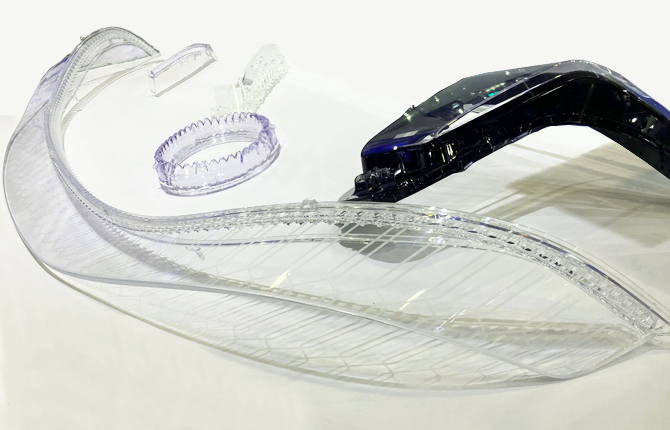
Plastic injection molding is the undisputed backbone of mass-produced plastic parts like consumer products, medical devices, car interior components, and precision industrial parts. But beyond the basic concept lies a suite of advanced processes that solve complex plastic design challenges. For industries from medical devices to automotive and consumer goods, understanding these techniques is key to innovating and optimizing products.
Plastic injection molding is the most widely used manufacturing process for producing plastic parts at scale, combining versatility, repeatability, and efficiency. For industries ranging from automotive and medical to consumer goods and life sciences, mastering this process is key to product success.
How Does It Work? The Basic Principles
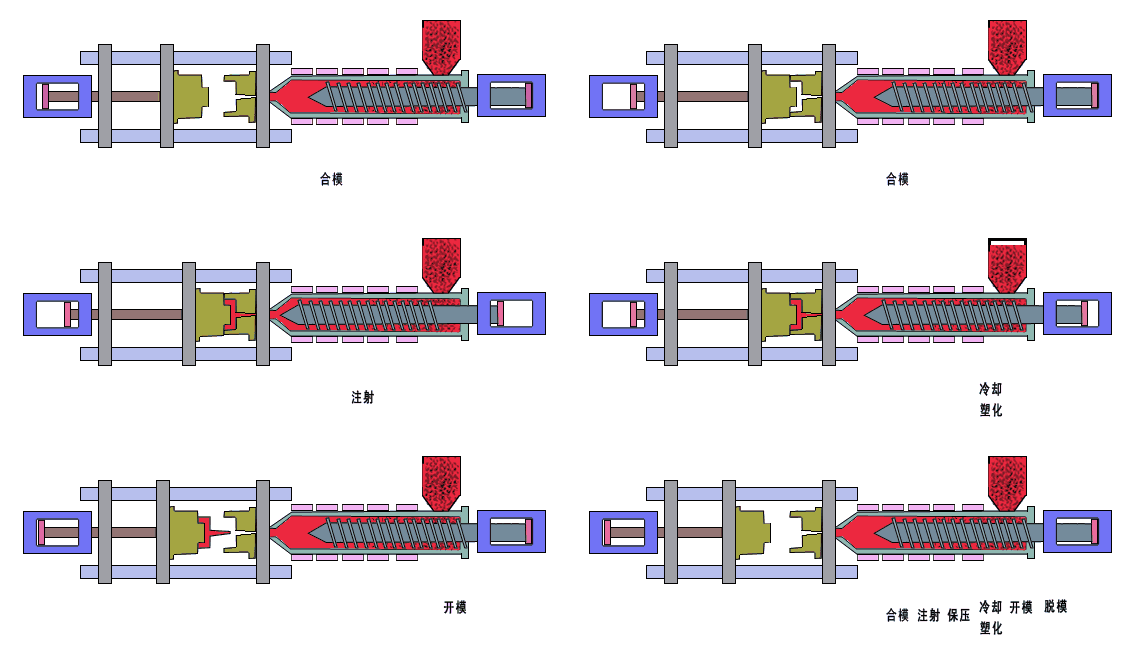
At its core, plastic injection molding is a cyclical manufacturing process where molten plastic is injected into a mold cavity, cooled, and ejected as a solid part.
The Simplified Cycle–Plastic Injection Molding Process Consists of Four Primary Stages:
Clamping: The two halves of a precision-engineered mold are mounted in the injection molding machine. A powerful hydraulic or electric clamp slams the two halves shut with immense force—anywhere from 5 to 4,000 tons of pressure. The mould is securely closed under high pressure by the clamping unit of an injection molding machine.
Injection: Plastic resin in granular form (often called “pellets”) is fed from a hopper into a heated barrel. A large screw inside the barrel mixes and melts the pellets as they are pushed forward. Once a precise “shot” of molten plastic is ready, the screw rams forward like a plunger, injecting the liquid plastic into the closed mold cavity at extremely high pressure. This pressure is critical to ensure every intricate detail of the mold is filled.
Cooling: The molten plastic inside the plastic mould begins to cool and solidify almost immediately upon contact with the cool metal mold. As it cools, it takes the exact shape of the cavity. The cooling time is a major factor in the total cycle time.
Ejection: Once sufficiently cooled, the mold opens, and ejector pins push the finished plastic part out of the mold. The plastic mold then closes, and the cycle repeats—often in timescales of seconds, 24/7 in many factories.
For Product Designers & Engineers: This is where customers’ designs meet reality. The injection mould is the negative of your part, and every draft angle, wall thickness, rib, and gate location the mold designer specifies will directly impact manufacturability, cost, and part performance.
Ready to Transform Your Design into Reality
The Foundation: Standard Injection Molding
The conventional, high-volume process most envision involves a single material injected into a single-cavity or multi-cavity mold. It’s the workhorse for producing everything from bottle caps and automotive housings to medical syringe bodies. Its strengths are unmatched efficiency, repeatability, and cost-effectiveness at scale.
For Plastic Product Designers: This is the plastic parts manufacturing baseline. Success here hinges on impeccable Design for Manufacturability (DFM)—optimal wall thickness, draft angles, and gate placement.
Beyond the Standard: Advanced Molding Techniques
When product requirements demand more than a single, homogeneous plastic part, these advanced processes come into play.
1. Two-Shot (2K) Injection Molding
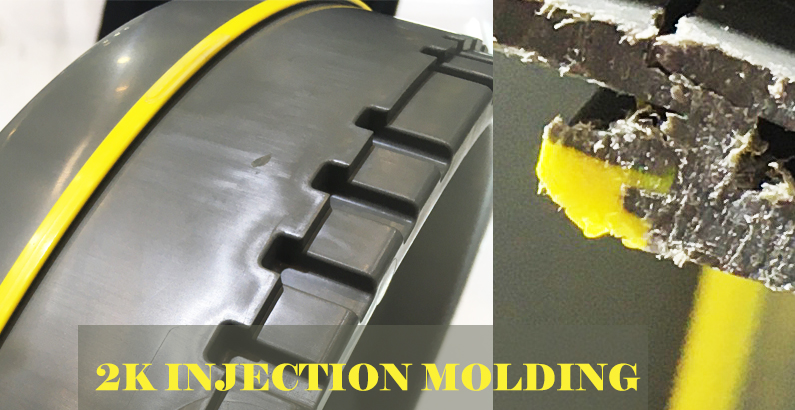
This sophisticated process uses a specialized machine with two independent injection units and a rotating mold. It injects two different materials—often with different colors or properties—into the same mold during a single cycle.
Why Use It?
Bonding Without Assembly: Creates strong, permanent chemical or mechanical bonds between materials without secondary steps.
Enhanced Functionality: Combines a rigid substrate with a soft, tactile TPE/TPU grip (common in power tools, toothbrushes, and automotive interiors).
Aesthetic & Branding: Produces multi-colored parts with sharp color separation (e.g., keypad buttons, logos).
Industry Applications: Consumer electronics, medical device handles, automotive knobs, and multi-material components for the security industry.
2. Overmolding & Insert Molding
These related processes integrate non-plastic elements into the molded part.
Insert Molding: A pre-formed component (a metal threaded insert, electrical contact, magnet, or sensor) is placed into the mold. Plastic is then injected around it, encapsulating it securely.
Value Created: Eliminates post-molding assembly, improves part strength and reliability, and seals sensitive components. Critical for electronic connectors in automotive, surgical tools, and industrial controls.
Overmolding: A broader term that often refers to molding a layer of a second material (like a soft-touch elastomer) over a pre-molded plastic substrate. This can be done via 2K molding in one cycle or in a secondary molding operation.
Value Created: Ergonomic, non-slip surfaces; vibration dampening; and protective seals. Essential for life science instrument handles, protective device housings, and consumer product grips.
Enhancing Product Design with Insert Molding and Overmolding: A Complete Guide
3. Other Critical Processes
Gas-Assisted Injection Molding: Injects nitrogen gas into the molten plastic to create hollow sections. This reduces weight, minimizes sink marks, and improves surface finish on large, thick parts like industrial handles, furniture, and automotive panels.
Micro-Molding: An ultra-precision technique for manufacturing extremely small, complex parts with tolerances in microns. The domain of advanced medical devices (vascular clips, drug delivery components), micro-optics, and miniature connectors for electronics.
Liquid Silicone Rubber (LSR) Molding: A process for thermoset silicone, known for its extreme temperature stability, biocompatibility, and flexibility. Used for medical implants, seals/gaskets in automotive and aerospace, and infant care products.
Is Plastic Injection Molding Right for Your Next Project?
Choosing the Right Process: A Strategic Decision
|
Process |
Best For |
Key Advantage |
|
Standard Molding |
High-volume, single-material parts |
Lowest cost per part, high speed |
|
2K / Two-Shot Molding |
Multi-material/color parts in one cycle |
Eliminates assembly, superior bond |
|
Insert Molding |
Parts with embedded metal/electronic elements |
Enhanced functionality & part integrity |
|
Overmolding |
Soft-touch grips & protective layers |
Improved ergonomics and user experience |
|
Gas-Assist Molding |
Large, thick parts requiring strength & finish |
Weight reduction, no sinks, lower clamp force |
|
Micro-Molding |
Minute, high-precision components |
Makes the impossible, possible |
Gas Assist Injection Molding 101: Benefits, Process, and TONGDA LINK’s Expert Solutions
The Engine of Innovation: Tooling for Advanced Processes
For Mold Engineers and Tooling Specialists, these techniques represent the pinnacle of mold design complexity.
2K molds require precise rotational mechanisms and alignment.
Insert molds need automated placement systems for high-volume production.
Micro-molds are feats of micro-machining and often require specialized validation.
Partnering with a molder that has in-house tooling expertise is non-negotiable for executing these advanced processes reliably.
Why is Injection Molding the Preferred Choice for Industrial Manufacturing?
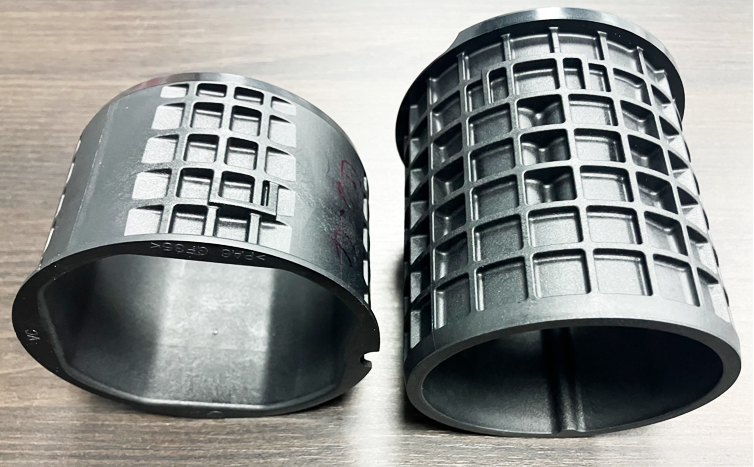
Consistent, high-quality parts with tight tolerances.
Complex geometries with strong engineering plastic material.
Industry-Specific Applications: More Than Just Plastic Parts
The true power of injection molding lies in its adaptation to specialized industry needs.
Medical Device & Life Science: Demanding ultra-cleanroom molding, validation (IQ/OQ/PQ), and materials certified for biocompatibility (ISO 10993, USP Class VI). Produces components like surgical instruments, diagnostic housings, fluid connectors, and disposable labware.
Automotive: Requires materials that withstand temperature extremes, UV exposure, and chemical contact. Used for interior components (dashboards, panels), under-hood parts, connectors, and lightweight structural elements.
Consumer Products: Balances high-volume cost-effectiveness with demanding aesthetics and functionality. Everything from appliance housings and tool bodies to intricate toy components.
Industrial & Security: Focuses on durability, impact resistance, and dimensional stability for enclosures, gears, housings for machinery, and robust components for locks, access control devices, and surveillance equipment.
OEMs (Original Equipment Manufacturers): Provides a reliable, consistent source for critical sub-components that integrate into larger assemblies, ensuring supply chain stability and part quality.
The Heart of the Process: The Mold Itself
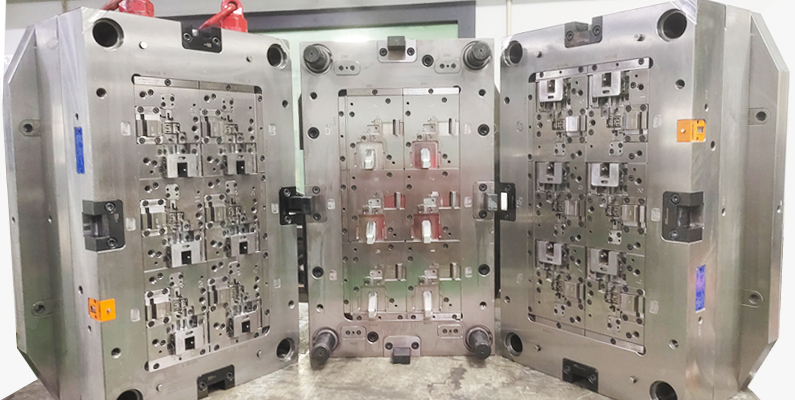
Attention, Mold Engineers and Tooling Managers: The mold is not just a tool; it’s a high-precision capital asset that defines project success.
Prototype Molds: For low-volume testing and design validation before full investment.
Production Molds: Built for endurance, often from hardened or stainless steel, to withstand hundreds of thousands to millions of cycles.
Complex Tooling: Incorporating features like side-actions (slides) for undercuts, hot runner systems for material efficiency, and advanced cooling channels for optimal cycle times.
Mold Maintenance & Lifespan: A well-designed and properly maintained mold is critical for minimizing downtime and ensuring consistent part quality over its entire lifecycle.
Let Your Engineers and Procurement Team Collaborate With TONGDA LINK on Mold Manufacturing.
Considerations
High Upfront Cost: Designing and machining the steel or aluminum molds is a complex, time-consuming, and expensive process. This makes low-volume production runs less economical.
Design Restrictions: Parts must be designed for the process (called “Design for Manufacturability” or DFM). This includes considerations for draft angles, wall thickness, and how the part will be ejected.
Lead Time: Creating the prototype and final production mold can take several weeks to months before the first part is shot.
Partnering for Success: From Design to Delivery
Navigating the journey from a CAD model to a truckload of perfect parts requires a partner with deep expertise.
Design for Manufacturability (DFM): A critical first step. TONGDA LINK as a skilled molder will analyze your design to recommend adjustments that improve moldability, reduce cost, and enhance part performance without compromising intent.
Material Selection: Guidance on selecting the optimal resin based on mechanical requirements, chemical exposure, regulatory standards, and cost targets.
Guide to Selecting Thermoplastic Materials for Plastic Molded ProductsPrecision Toolmaking: In-house or partnered mold building with relentless attention to detail, using state-of-the-art CNC, EDM, and finishing techniques.
Process Validation & Production: Establishing and documenting the precise machine parameters (temperature, pressure, speed) to ensure every part meets specifications, lot after lot.
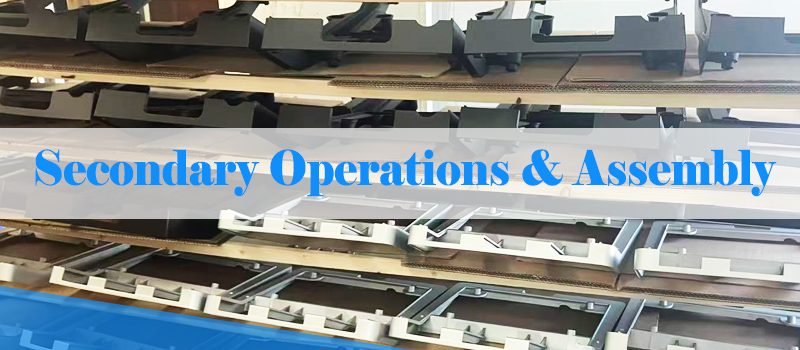
Secondary Operations & Assembly: Providing value-added services like ultrasonic welding, pad printing, assembly, and sterile packaging for turnkey solutions.
Contact Our Engineering Team Today For a Technical Consultation And Project Review.
We provide:
Work With TONGDA LINK to Design Without Limits.
Leverage the full potential of modern plastic injection molding. TONGDA LINK helps customers to learn more about how advanced techniques like 2K, overmolding, and insert molding can solve their product’s challenges, reduce assembly, and create a superior end-user experience.