

For plastic product designers, a comprehensive understanding of the properties and applications of commodity plastics, engineering plastics, and medical plastics is essential.
Selecting the appropriate plastic material is a critical decision that impacts product performance, durability, safety, and cost. With a vast array of plastics available, understanding the properties and applications of different categories—general-purpose plastics, engineering plastics, and medical plastics—is essential. This article explores these materials and highlights how to supports customers in making informed choices.
Thermoplastic Materials In
Plastic Products Manufacturing
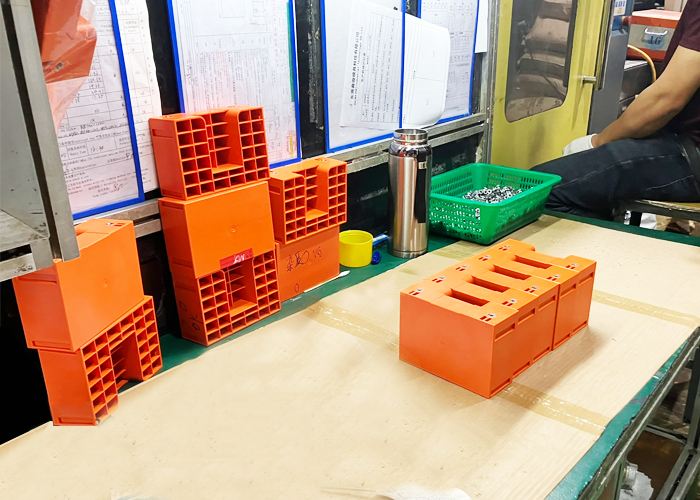
1. General-Purpose Plastics: Affordable and Versatile
General-purpose plastics are widely used for everyday products due to their low cost, ease of processing, and versatility. Common types include:
Properties: Chemical resistance, fatigue resistance, lightweight.
Applications: Packaging, household goods, automotive components (e.g., bumpers).
Properties: Excellent moisture resistance, flexibility, impact strength.
Applications: Bottles, bags, pipes, and toys.
Properties: Rigid or flexible, flame retardant, durable.
Applications: Construction pipes, cables, medical tubing.
Ideal for: High-volume production where cost-efficiency and basic functionality are priorities.
2. Engineering Plastics: Strength and Durability
Engineering plastics offer enhanced mechanical, thermal, and chemical properties, making them suitable for demanding environments. Key examples:
Properties: High toughness, heat resistance, machinability.
Applications: Automotive parts, consumer electronics, LEGO bricks.
Properties: Transparency, impact resistance, thermal stability.
Applications: Safety goggles, automotive headlights, electronic housings.
Properties: Wear resistance, high strength, temperature tolerance.
Applications: Gears, bearings, industrial components.
Ideal for: Automotive, aerospace, and industrial sectors requiring precision and longevity.
3. Medical Plastics: Safety and Compliance
Medical plastics must meet stringent biocompatibility and sterilization standards. Common materials include:
Properties: Clarity, chemical resistance, autoclavability.
Applications: Surgical instruments, IV connectors, lab equipment.
Properties: Biocompatibility, high-temperature resistance, radiolucency.
Applications: Implants, dental tools, surgical trays.
Properties: Flexibility, biocompatibility, temperature stability.
Applications: Catheters, seals, prosthetics.
Ideal for: Medical devices and equipment requiring compliance with ISO 10993, USP Class VI, or FDA regulations.
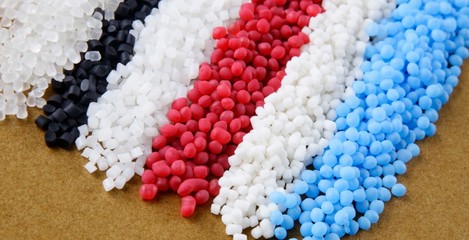
Key Factors in Plastic Selection
- Mechanical Requirements: Load-bearing capacity, flexibility, and wear resistance.
- Environmental Conditions: Exposure to heat, chemicals, UV light, or moisture.
- Regulatory Standards: Biocompatibility, food safety (FDA), or flame retardancy (UL94).
- Cost-Effectiveness: Balance between material cost, processing, and product lifespan.

How to Make The Plastic Selection?
Here, navigate the complexities of material selection.
Expert Consultation: Leverage technical expertise to match materials to your product’s functional and regulatory needs.
Material Testing: Validate performance through stress tests, environmental simulations, and biocompatibility assessments.
Regulatory Guidance: Ensure compliance with global standards for medical, automotive, or consumer products.
Sustainability Solutions: Explore recycled or bio-based plastics to align with eco-friendly goals.
TONGDA LINK – Your Trusted Partner in Advanced Material Innovation.
Prototyping to mass injection molding production, we are an end-to-end solutions provider for plastic products manufacturing.

NEED A PARTNER FOR THE DEVELOPMENT OF PLASTIC PRODUCT?
Whether you’re prototyping or scaling production, you need a partner provides end-to-end support—from material sourcing to manufacturing optimization.
TONGDA LINK can help you.
Choosing the right plastic material requires a deep understanding of your product’s requirements and the unique properties of each polymer. By collaborating with TONGDA LINK, you gain access to tailored solutions that enhance performance, ensure compliance, and reduce costs.
Contact TONGDA LINK today to transform your product vision into reality with the perfect plastic material.
Pingback: Injection Molding: Wall Thickness Design Principles - TongDa Link Mold
Pingback: Manufacturer's Guide: Understanding the Different Types of Injection Molds - TongDa Link Mold